

Y2K Beanie
Sort by
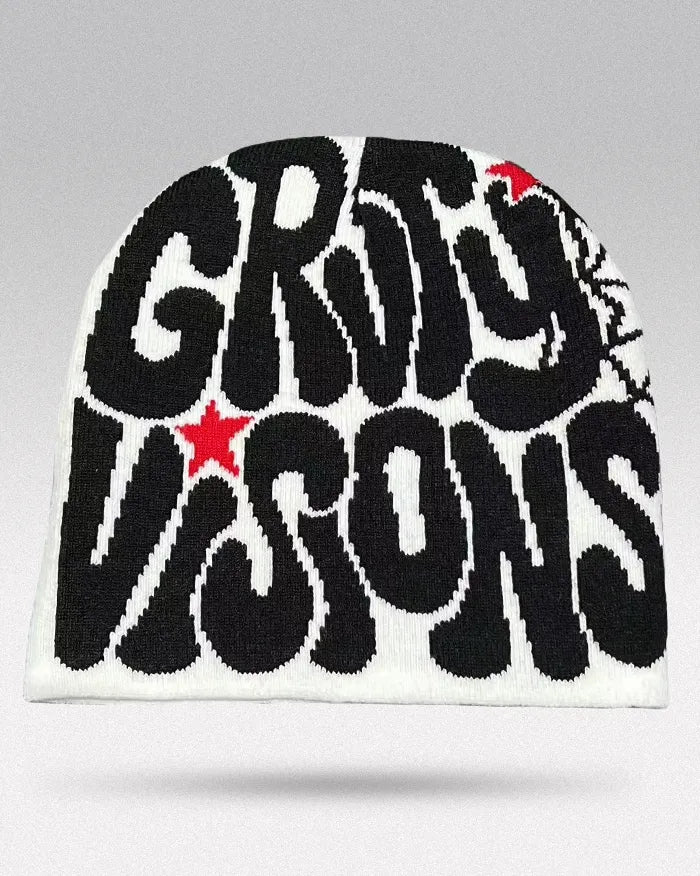
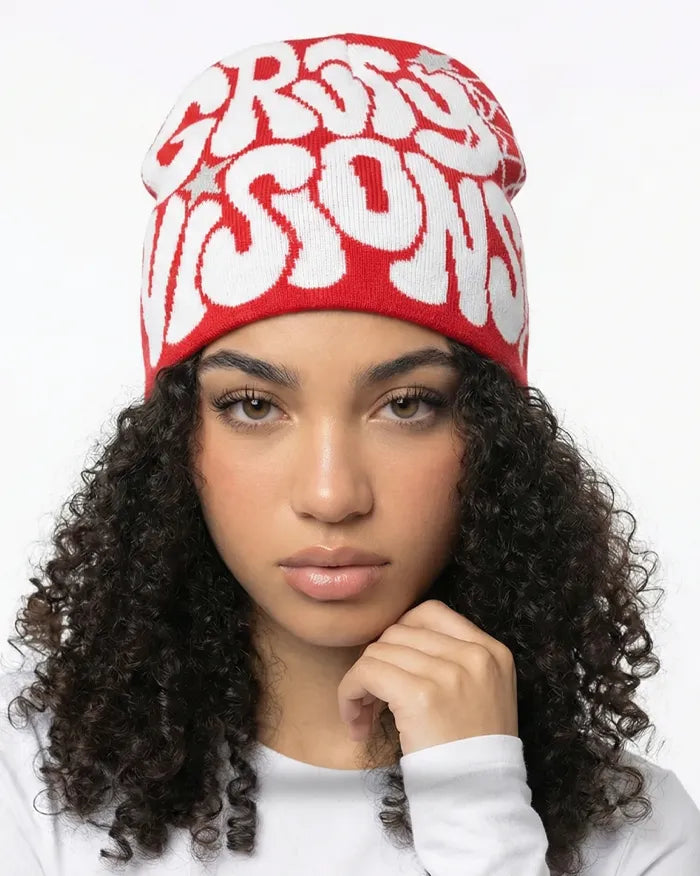
Graphic Beanie Y2K "Kraken"
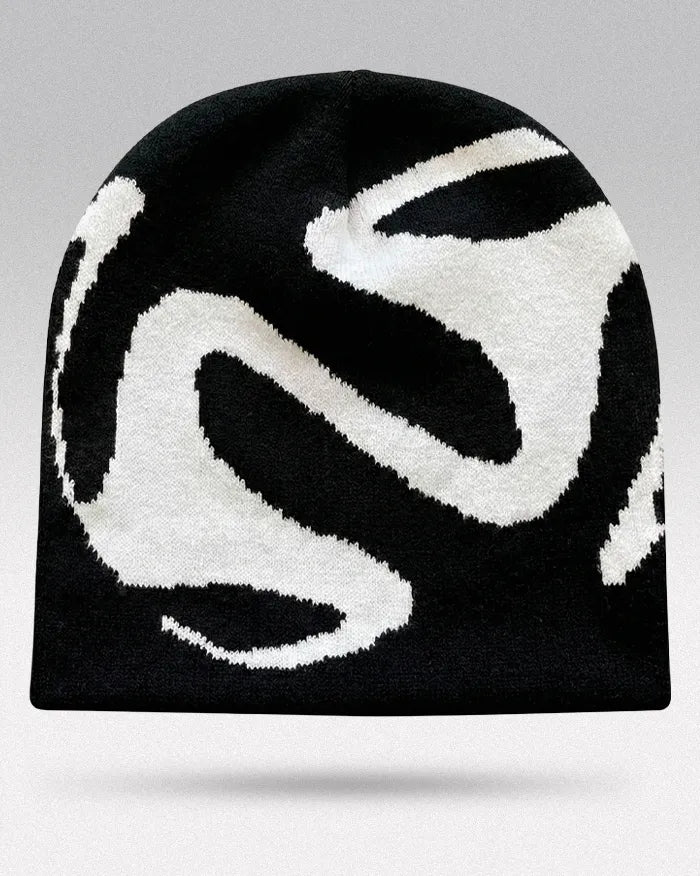
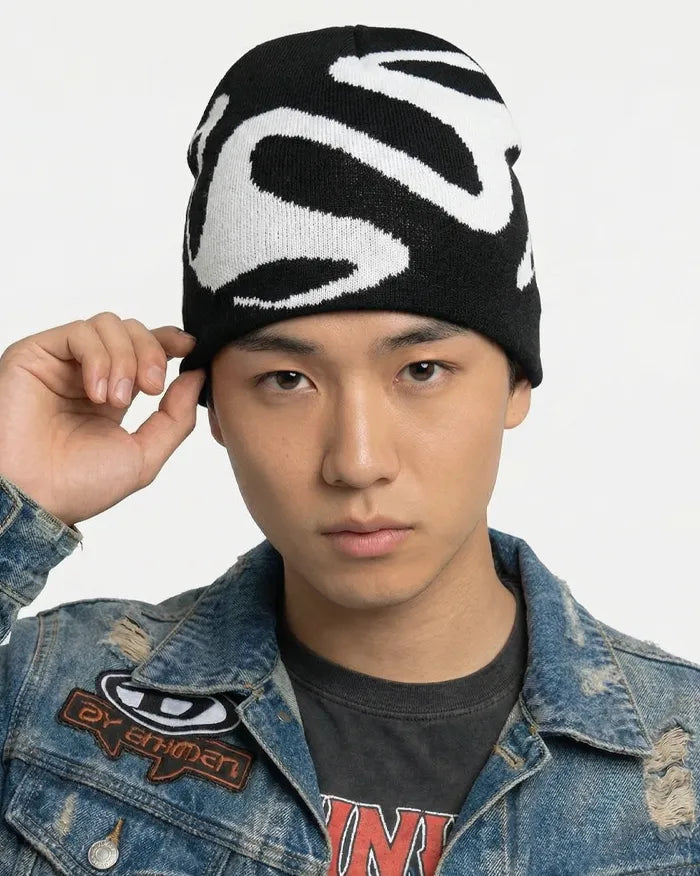
Beanie Y2K "Osiris"
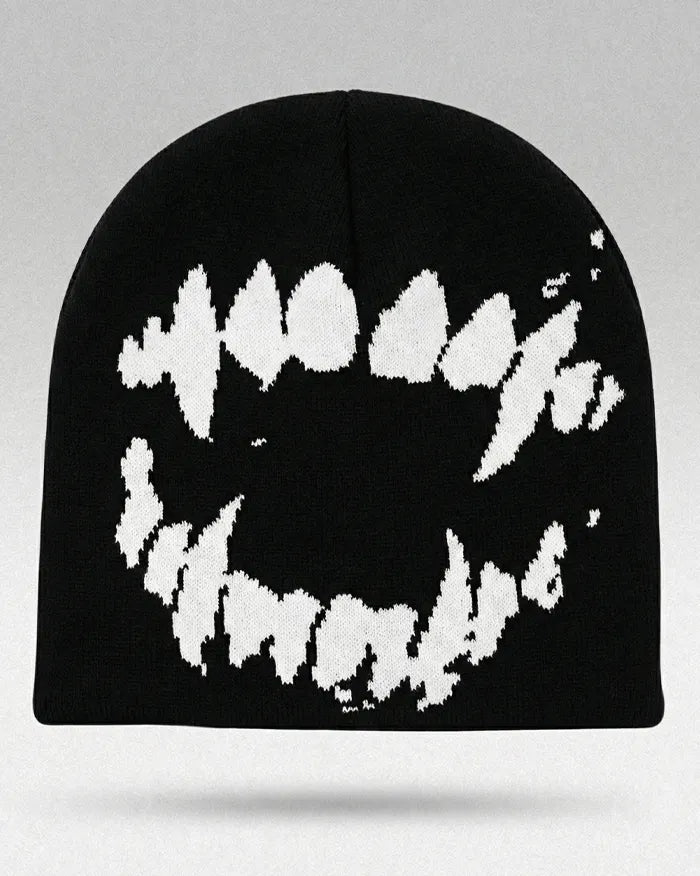
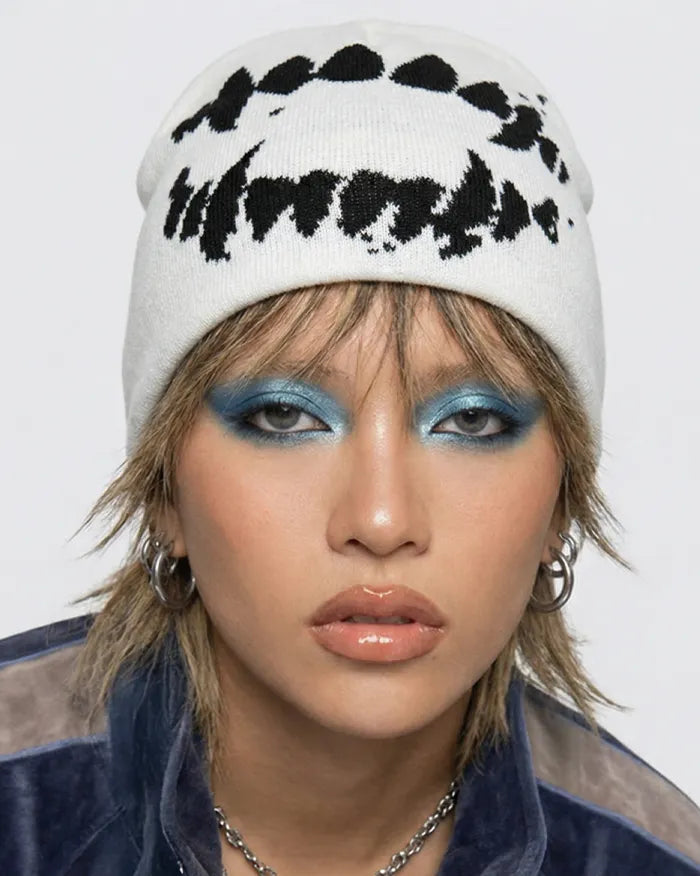
Y2k Beanie "Raptor"
Y2K Beanie: The Accessory That Completes Every Fit
There's a reason the beanie never fully disappeared. Through every micro-trend, every seasonal reset, every decade-long aesthetic pivot, the knit beanie held its ground. It absorbed new contexts, adapted to new silhouettes, and kept showing up on the heads of the people who actually understood what street-level style was about.
But there's a specific version of the beanie,a very particular energy, a very precise set of references, that has been making its presence felt again in a way that feels less like a revival and more like a reckoning.
We're talking about the Y2K beanie: the accessory that defined a generation's relationship with headwear, that blurred the line between function and flex, and that is now, without question, the finishing touch your fit has been missing.
If you're ready to understand why, and to find the piece that locks your whole look together, you're in the right place, find y2k outfits and build from the top down.
The Beanie Was Never Just About Keeping Warm , It Was Always About Keeping It Real

Rewind to the late 1990s and early 2000s and pay attention to what was happening at the intersection of music, sport, and urban fashion. Skateboarding and snowboarding culture were bleeding into hip-hop aesthetics. Japanese streetwear was quietly influencing what kids in New York and London were reaching for.
Sportswear brands were in their most creative and culturally connected era, dropping colourways and silhouettes that felt genuinely boundary-pushing rather than algorithmically optimised. In the middle of all of that creative chaos, the beanie emerged not as a cold-weather necessity but as an attitude marker. The way you wore it said everything.
Pushed back off the forehead: you were relaxed, confident, unbothered. Pulled low: you were locked in, focused, not here to be noticed unless you wanted to be. Worn slouchy over longer hair or fitted tight against a fresh cut: two completely different statements, both valid, both rooted in the same Y2K streetwear aesthetic that we've never stopped being influenced by.
What made the 2000s urban fashion beanie so culturally loaded was the company it kept. It wasn't worn in isolation. It existed inside a complete visual language, baggy denim sitting low, oversized hoodies with dropped shoulders, technical outerwear borrowed from ski culture and repurposed for city streets, chunky sneakers with exaggerated soles, and accessories that carried weight both literally and symbolically.
The beanie was the crown of that entire system. Remove it and the fit lost something. Keep it and everything clicked into place with a kind of effortless authority that no other headwear could replicate. Baseball caps had their lane. Bucket hats had theirs. But the beanie,specifically the beanie worn in that distinctly early-millennium way, occupied a space that was entirely its own.
Why This Moment Feels Different From Every Other Y2K Wave

The Y2K aesthetic revival has been discussed in fashion media for a few years now, but what's happening currently is something more substantive than a trend piece in a style magazine. The people driving this reconnection with early 2000s fashion aren't doing it because an algorithm told them to. They're doing it because there's genuine cultural substance to excavate.
The visual language of that era, the retro-futuristic aesthetic, the techno-organic graphic sensibility, the specific palette that oscillated between washed-out earth tones and aggressive neon pops, was built on real creative ambition.
Designers, artists, and community-level style innovators were working with a specific set of references and producing something that felt urgent and original. Reconnecting with that now isn't nostalgia for nostalgia's sake. It's sourcing from a well of genuine creative energy.
And the beanie is one of the clearest vessels for that energy. It's small enough to be an entry point, you can introduce a Y2K beanie into an otherwise contemporary wardrobe and feel the register shift immediately , but rich enough in its associations to anchor a full 2000s-inspired streetwear look when you want to go deeper.
That versatility is exactly why it's become the accessory of choice for a new generation of style-conscious people who want to reference the era without being consumed by it.
Craftsmanship That Earns Its Place in Your Rotation

We need to talk about quality, because the beanie market is genuinely full of product that looks right in a flat-lay photograph and falls apart in real life.
A knit cap that pills after five wears, loses its shape the moment you stretch it over your head, or develops that thin, sad, deflated appearance after a couple of machine washes is not a streetwear piece, it's a placeholder. It's something you wear once or twice before it migrates to the bottom of a drawer.
Y2K DRIP™ operates from a completely different premise, and it starts at the material level.
The Yarn, The Weight, The Feel
Every beanie in this collection is built from heavyweight yarn blends that have been selected specifically for their performance characteristics over time, not just their initial presentation.
The weight hits that precise sweet spot where the fabric has enough body to hold structure, to actually sit on your head with intention rather than collapsing into a shapeless pile, while remaining flexible enough to move naturally and provide genuine comfort across extended wear.
This isn't a beanie you take off after an hour because it's started to dig into your temples. This is something you forget you're wearing in the best possible way.
Ribbing Construction and Stretch Memory
The ribbing on a quality beanie is one of those details that only becomes visible when it's done wrong. Poorly constructed ribbing loses its elasticity quickly, leaving you with a beanie that either fits awkwardly loose or grips too tight depending on how the yarn has settled.
The ribbed construction on Y2K DRIP™ beanies is engineered with stretch memory as a primary consideration, meaning the fabric returns to its intended shape after every wear, every wash, every time you pull it off and stuff it into a jacket pocket on the subway. That consistency of fit is what separates a beanie that stays in your regular rotation from one that gets retired after a season.
The Slouch-to-Snug Ratio
One of the defining characteristics of the Y2K streetwear beanie was its specific fit profile, not military-tight, not completely formless, but occupying a carefully calibrated middle ground where the crown had just enough excess fabric to create a natural, effortless slouch without looking sloppy.
Achieving that fit consistently across different head sizes requires a level of pattern-making attention that most volume-driven accessory brands simply don't invest in. We do, because that silhouette is non-negotiable. The slouchy knit beanie profile is part of the cultural DNA of this aesthetic, and getting it wrong would undermine everything else.
Built to Last Beyond One Season
Real streetwear beanies don't have a season. That's one of the things that distinguished the early 2000s approach to headwear from the more conventional fashion relationship with knit accessories.
These pieces were worn year-round, pulled back off the forehead in summer heat, worn low in autumn, layered under hood in winter. The durability requirements for that kind of consistent, multi-season use are significantly higher than what you'd need from a piece that only comes out when temperatures drop.
Y2K DRIP™ beanies are tested and constructed for exactly that kind of longevity. The yarn resists pilling. The seams are finished to handle repeated stress without unravelling. The colours are set to minimise fading across regular washing. This is everyday carry built to remain relevant across years, not weeks.
The Collection: Every Detail Has a Reference

When we talk about designing a Y2K-inspired beanie collection, we're not talking about printing an early-2000s logo onto a generic knit cap and calling it a day. Every piece in this lineup has been developed around a specific visual or cultural reference point , something that connects to the broader Y2K fashion aesthetic in a way that feels considered rather than opportunistic. Here's what you're actually looking at when you explore the collection.
Embroidered Logo Beanies
The embroidered logo beanie is the foundational piece , the entry point into the collection and the silhouette that most directly references the branded sportswear aesthetic that was absolutely central to early 2000s streetwear culture.
Big sportswear and lifestyle brands were at the peak of their cultural influence during this period, and the way their logos were carried on accessories, prominently, proudly, with zero apology, was a defining characteristic of how people engaged with clothing identity at the time.
The Y2K DRIP™ embroidered beanies carry that same energy, but with tonal stitching that sits flush against the knit fabric for a premium, contemporary finish. No puffed-up embroidery that creates an awkward three-dimensional blob.
No heat-pressed alternatives that crack and peel. Just clean, precise needlework that photographs well, holds up beautifully in person, and improves with age rather than degrading.
Tonal vs. Contrast Embroidery Options
Within the embroidered category, the collection offers both tonal and contrast stitching options. Tonal embroidery, where the thread colour closely matches the base knit, delivers a more understated, editorial result.
The branding is present for those who know to look for it, but it doesn't announce itself aggressively. Contrast embroidery flips that dynamic: bright thread against a dark base, or a dark logo popping against a washed-out neutral. Both approaches have legitimate roots in the Y2K graphic language, and both serve different styling purposes within a modern wardrobe.
Cyber-Inspired Graphic Beanies
If the embroidered beanies reference the branded sportswear side of the era, the cyber-inspired graphic beanies pull from a completely different but equally important source: the digital-glitch, pixel-distortion, techno-organic visual language that defined graphic design in the late 1990s and early 2000s.
This was the moment when digital tools became widely accessible but hadn't yet been refined to the point of smoothness, and rather than hiding the artifacts of early digital production, designers leaned into them.
Glitchy type, pixelated gradients, warped geometric forms, colour separations that felt simultaneously futuristic and handmade. That aesthetic has aged extraordinarily well, precisely because it was always more about a feeling than a specific technology.
The retro-futuristic beanie designs in this collection translate that graphic vocabulary into knit form, jacquard-woven patterns, intarsia detailing, and surface treatments that carry the visual complexity of the era without feeling like a history lesson.
Distressed and Vintage-Finish Beanies
The distressed knit beanie occupies a specific space in the collection, these are the pieces that prioritise a worn-in, lived-with quality that makes a brand-new product feel like something you've been reaching for since 2003.
Intentional texture variations in the knit structure, surface finishing treatments that create subtle irregularities in the fabric, and colourways developed specifically to read as naturally aged rather than artificially processed. The goal is authenticity of feel, not performance of age.
There's a significant difference, and it's immediately detectable when you're holding the piece in your hands. These beanies are for people who appreciate the aesthetic of a well-loved item but also want the performance of something freshly made.
Colourways: The Palette of an Era
Colour was one of the most distinctive and culturally loaded aspects of Y2K fashion, and the beanie collection reflects the full spectrum of that palette without flattening it into a single recognisable reference.
On one end, the faded wash colourways, dusty greys, washed-out military greens, muted burgundies, chalky off-whites, anchor the collection in the desaturated, archival-feeling tones that ran through a significant portion of early 2000s streetwear. These colours carry a certain seriousness, a refusal of loudness that paradoxically makes them easier to build complex, layered outfits around.
Neon Pops and Statement Colourways
On the opposite end of that spectrum, the neon beanie colourways , signal orange, electric yellow, that specific high-visibility lime green that was genuinely everywhere between 1998 and 2004, bring the other defining colour mood of the era into the collection. These are pieces built to carry an outfit, to function as the single most visually dominant element in a look and do so with complete confidence.
Worn against a dark, monochromatic outfit, a neon Y2K streetwear beanie turns an otherwise quiet fit into something that reads clearly from across the street. That's not an accident. That's the point.
Styling Your Y2K Beanie: Intelligent Moves for Every Season

Styling a beanie well requires understanding one fundamental principle: the beanie is a proportional anchor. It sits at the highest point of your silhouette and therefore affects how everything below it reads.
Get the proportional logic right and the rest of the fit resolves naturally. Get it wrong and there's an inexplicable imbalance that you can't quite diagnose but can definitely feel. Here's how to get it right across different contexts and seasons.
The Core Y2K Streetwear Silhouette
The reference point for the foundational Y2K beanie styling approach is the early 2000s urban silhouette at its most fully realised. This means volume , significant, intentional volume , from the shoulders down. An oversized heavyweight hoodie with a dropped shoulder seam and a generous body.
Baggy straight-leg or wide-leg denim sitting comfortably low, with a visible break over a chunky sneaker with real sole elevation. A graphic tee or thermal underneath the hoodie, with enough length to show beneath the hem. Into that silhouette, the beanie arrives as the purposeful crown, worn pushed back slightly off the forehead to create that signature relaxed authority.
The slouchy Y2K beanie fits into this kind of heavily layered, volume-forward outfit without being overwhelmed by it, because the proportions at the top of the silhouette hold their own against the mass below.
Playing With Fit Positioning
How far back you wear the beanie is a meaningful stylistic decision. All the way back, sitting just above the hairline at the crown of the head, reads as casual and relaxed , the default Y2K positioning. Pulled slightly forward, approaching the mid-forehead, shifts the energy toward something more intentional and directional.
Completely off the forehead but with significant crown volume creates a different silhouette entirely, one that references certain subcultural aesthetics from the same era. Experiment with positioning as part of your overall fit-building process. It matters more than it sounds like it should.
The Contemporary Tonal Approach
For a more current, editorial take on the Y2K beanie, reduce the complexity of everything below it and let the headwear carry the detail work. An all-black or all-grey outfit built from carefully matched tonal pieces , different textures, slightly different values of the same colour family, creates a quiet, sophisticated base. Into that, an embroidered or graphic beanie introduces the single point of visual interest.
Add oversized tinted lenses , wraparound frames or flat-lens shield styles, both of which are deeply rooted in the early 2000s accessories aesthetic, and a technical outerwear layer: a zip-up nylon shell, a lightweight track jacket, or an insulated vest. The beanie prevents the whole look from reading as too controlled or fashion-forward in a self-conscious way.
That friction between the polished and the casual is where the most interesting contemporary Y2K-inspired outfits tend to live.
Summer and Warm-Weather Styling
If you've internalised the early 2000s understanding of the beanie as a year-round piece rather than a winter accessory, warm-weather styling opens up significantly. A lightweight knit beanie worn over a graphic tee, large print, dropped shoulder, cropped or full-length depending on preference , with relaxed wide-leg shorts and a low-profile sneaker is a complete, cohesive summer fit. The key in warmer months is keeping the rest of the outfit airy and proportionally relaxed enough that the beanie reads as a deliberate choice rather than an oversight.
Pair it with a single statement accessory , a chunky chain, an oversized belt, tinted glasses , and the look lands exactly where it should: confident, reference-aware, and completely unbothered by the temperature.
Layered Transitional Season Looks
Autumn and spring , the transitional seasons where layering becomes both functional and aesthetically rich , are arguably the ideal context for the Y2K streetwear beanie. This is where the full depth of the early 2000s layering aesthetic can be explored without the constraints of extreme temperature.
Start with a base layer, add a mid-layer with real visual interest (a patterned knit, a printed fleece, a zip-up with graphic detailing), and finish with a technical outer layer that you can carry when it's not needed.
The beanie ties the whole construction together from above, giving the multiple layers a unified focal point. This kind of considered, multi-layer approach to dressing is one of the genuinely enduring contributions of Y2K fashion to contemporary style, and the beanie was always at the centre of it.
Join the Y2K DRIP™ Movement , This Is Your Entry Point

Y2K DRIP™ was built on a simple but non-negotiable premise: that the visual and cultural language of the early 2000s deserves to be treated with the same seriousness and creative investment that any legitimate design reference receives. Not as a costume. Not as ironic nostalgia.
Not as a shortcut for generating instant recognition without putting in the creative work. As a genuine source of aesthetic intelligence, a period of fashion and culture that produced ideas worth building on, references worth understanding deeply, and a community worth being part of.
Every Y2K DRIP™ beanie in this collection is a product of that commitment. The material choices, the construction details, the graphic references, the colourways, the fit profiles , all of it has been developed with a specific kind of person in mind.
Someone who knows the difference between a piece that references an era and a piece that understands it. Someone who builds their wardrobe with intention, who views getting dressed as a form of communication, and who isn't interested in wearing something just because it's been validated by a trend report.
The Y2K streetwear beanie you choose from this collection isn't just an accessory. It's a position. It's a signal to people who are paying attention that you know where this aesthetic came from, what it meant, and why it matters now. It's the finishing touch for a fit that has been built with real thought and real taste.
And it's your entry point into a community of people who take their style seriously without taking themselves too seriously , because if there's one thing the early 2000s always understood, it's that the best fits are the ones that look effortless, even when nothing about them actually is.
Explore the full collection above. Find the beanie that speaks to your fit, your references, and your version of this aesthetic. And wear it like you've always known exactly what you were doing , because now you do.
Free delivery
For all orders over $100
Love it or Return it
Free return within 30 days
Top-notch support
We're here for you 24/7
Secure payments
Visa & PayPal